
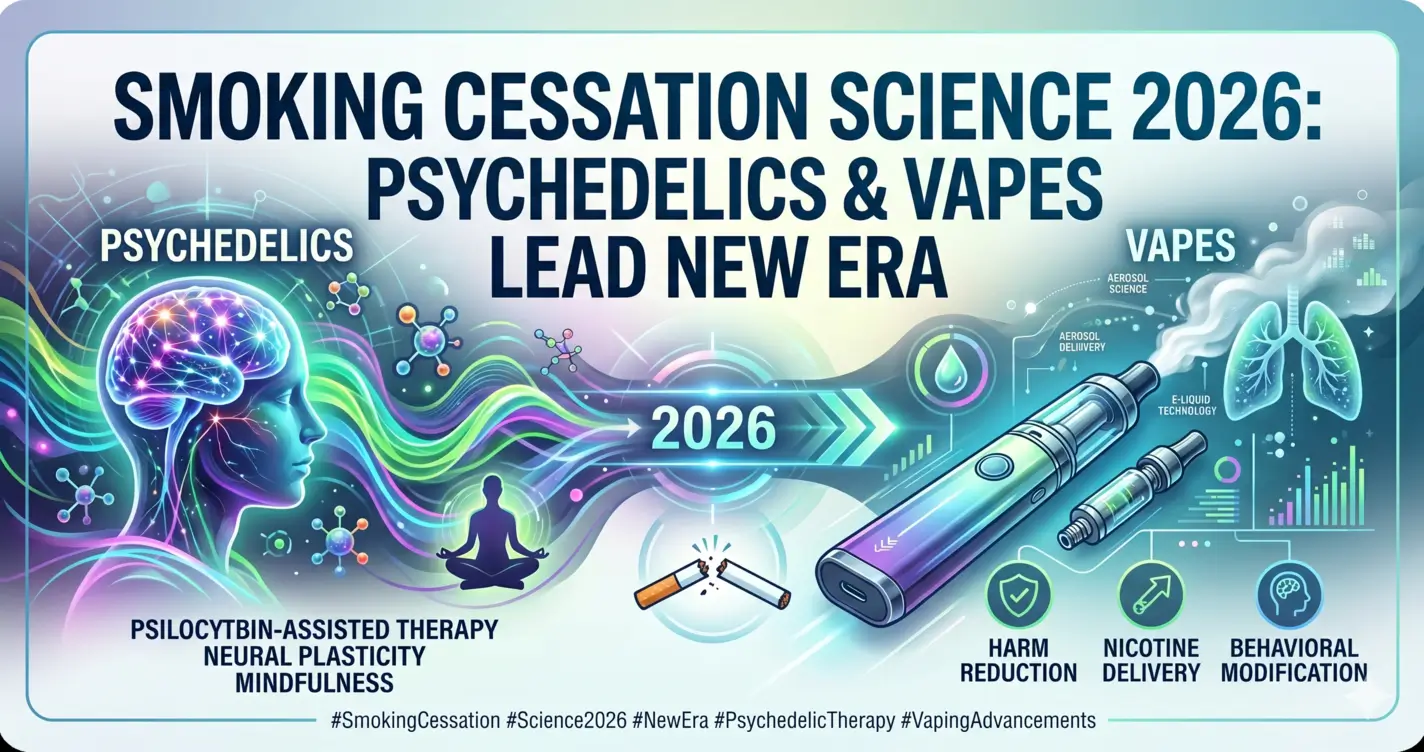
Washington D.C., May 27, 2026 — The landscape of quitting smoking is undergoing a profound transformation, moving far beyond the familiar territory of nicotine patches and gum. Groundbreaking research is now highlighting the potential of entirely new approaches, including psychedelic therapy and advanced digital tools, to help individuals break free from nicotine addiction. This evolution in smoking cessation science 2026 is critical for millions of Americans, offering a more nuanced and effective path to a smoke-free life. As these innovative methods emerge, understanding their implications is paramount for anyone seeking to quit or support loved ones in their journey.
In This Article
- The Evolving Landscape of Smoking Cessation Science 2026
- Psychedelic Therapy Shows Remarkable Promise in Smoking Cessation Science 2026
- Vaping and Smart Apps: Modern Tools in Smoking Cessation Science 2026
- Navigating the Regulatory Landscape for New Cessation Methods
- The Future of Quitting: Integration and Innovation
- Stay Updated on Smoking Cessation Science 2026
The Evolving Landscape of Smoking Cessation Science 2026
For decades, public health strategies aimed at smoking cessation have largely revolved around a consistent set of tools: abstinence-only encouragement, pharmaceutical nicotine replacement therapies (NRTs), and behavioral interventions. While these methods have achieved some success, the persistent high rates of smoking-related diseases underscore the need for more comprehensive and adaptable solutions. The field of smoking cessation science 2026 is now embracing a broader perspective, recognizing that a one-size-fits-all approach is insufficient. Instead, a diverse toolkit that caters to individual needs and preferences is becoming the focus.
Fortunately, smoking rates have seen a decline in many parts of the world, partly due to the increasing adoption of alternatives like vapes and nicotine pouches. These products, while subject to ongoing debate and regulation, offer a potential pathway for harm reduction. Emerging research is rapidly shedding light on the efficacy of these newer approaches, painting a picture of a future where quitting smoking is more accessible and successful.
“Reducing smoking-related disease may require a broader, more flexible toolkit that suits different needs and includes a wide array of tools.”
This shift is not just about offering more options; it’s about fundamentally rethinking how we approach addiction and behavior change. The integration of cutting-edge scientific research with accessible technologies is paving the way for a new era in smoking cessation science 2026. This article delves into the most promising developments, exploring how psychedelics, vapes, and smart apps are reshaping the future of quitting.
The source for this evolving understanding can be found in detailed reports from publications such as vapingpost.com, which highlight studies and trends shaping the future of smoking cessation science 2026.
Psychedelic Therapy Shows Remarkable Promise in Smoking Cessation Science 2026
One of the most groundbreaking areas of research in smoking cessation science 2026 involves the potential of psychedelic therapy. A significant study conducted by Johns Hopkins University and the University of Alabama at Birmingham has investigated whether psilocybin-assisted therapy could offer a superior alternative to conventional NRTs for smoking cessation. Psilocybin, the psychoactive compound found in certain mushrooms, has garnered considerable attention for its therapeutic potential in treating conditions such as depression and various forms of addiction.
The study involved 82 adult smokers, aged between 21 and 80, all of whom had previously attempted to quit smoking at least once without success. Participants were divided into two groups: one received a single dose of psilocybin combined with cognitive behavioral therapy (CBT), while the other group received nicotine patches alongside CBT. The results, measured six months after the intervention, were striking.
Over 40% of the participants who underwent psilocybin-assisted therapy managed to remain smoke-free. In stark contrast, only about 10% of those who used nicotine patches alongside CBT achieved the same outcome. Furthermore, immediately following their planned quit date, an impressive 90% of the psilocybin group had abstained from smoking for at least 24 hours, showcasing the immediate impact of this approach within the context of smoking cessation science 2026.
Researchers theorize that psilocybin may fundamentally alter how smokers perceive their nicotine habit. Dr. Matthew Johnson, a lead author of the study, suggested that engaging with psychedelics could enhance cognitive flexibility. This increased flexibility might empower smokers to re-evaluate and break free from deeply ingrained routines and persistent cravings associated with nicotine addiction.
This research represents a significant leap forward in understanding addiction and developing novel treatments. The potential for a single psychedelic experience, coupled with therapeutic support, to yield such lasting results is a testament to the evolving nature of smoking cessation science 2026 and its capacity to explore unconventional pathways to recovery.
Vaping and Smart Apps: Modern Tools in Smoking Cessation Science 2026
Beyond the emerging use of psychedelics, the field of smoking cessation science 2026 is also embracing technological advancements and less harmful nicotine alternatives. Vaping products and sophisticated smart applications are increasingly being recognized for their potential to aid smokers in their quit journeys. While vaping remains a topic of intense regulatory scrutiny, its role as a harm reduction tool for established smokers is a key area of discussion within the broader context of smoking cessation science 2026.
Many smokers who have struggled with traditional methods find that switching to vapes or nicotine pouches provides a viable alternative to combustible cigarettes. These products deliver nicotine without the combustion process, thereby eliminating many of the harmful byproducts associated with smoking. This shift aligns with the principle of harm reduction, aiming to minimize the negative health consequences of nicotine use for those who are unable or unwilling to quit nicotine entirely.
For those seeking structured support, smart apps are becoming indispensable tools. These applications leverage mobile technology to offer personalized quit plans, track progress, monitor cravings, and provide motivational encouragement. Features often include daily check-ins, educational content about smoking cessation, and access to peer support communities. The accessibility and customizability of these apps make them a powerful complement to other cessation strategies, fitting seamlessly into the modern approach to smoking cessation science 2026.
The integration of vaping as a harm reduction strategy and the widespread availability of supportive smart apps signify a more flexible and user-centered approach to quitting. This aligns with the growing understanding that successful cessation often requires a combination of methods tailored to the individual’s circumstances and preferences. For US vapers looking to quit or reduce their reliance on traditional cigarettes, exploring resources like comprehensive vape reviews can help identify products that best suit their needs.
The rapid evolution of smoking cessation science 2026, particularly with the inclusion of vaping and the potential future of psychedelics, intersects significantly with regulatory frameworks. For vaping products, the U.S. Food and Drug Administration (FDA) continues to be the primary regulatory body. The agency’s rigorous Premarket Tobacco Product Application (PMTA) process is designed to evaluate the risks and benefits of new tobacco products, including e-cigarettes, to the public health.
Currently, many vaping products available on the market have not received FDA authorization, leading to ongoing enforcement actions against unauthorized products. This regulatory uncertainty impacts the availability and marketing of vapes, even as they are explored for their role in smoking cessation science 2026. The FDA’s stance emphasizes that while some harm reduction may occur, the primary goal is to prevent youth initiation and encourage adult cessation of all tobacco products, including e-cigarettes.
For psychedelic therapies, the regulatory path is even more complex. While research is advancing rapidly, psilocybin remains a Schedule I controlled substance under federal law. Significant policy changes would be required for these therapies to be widely prescribed and covered by insurance. States and municipalities are beginning to explore decriminalization and therapeutic access, but a federal framework for their use in smoking cessation science 2026 is still a distant prospect.
Understanding these regulatory dynamics is crucial for consumers and industry alike. The FDA’s ongoing review of the tobacco product landscape, including the potential for NRTs and other cessation aids, is closely watched. For the latest updates on FDA actions and their impact on the vaping industry, consulting resources like FDA.gov is essential.
The Future of Quitting: Integration and Innovation
The future of smoking cessation science 2026 points towards a highly integrated approach, where different tools and therapies work in concert to support individuals. Psychedelic-assisted therapy, while still in its early stages of clinical adoption, offers a potentially transformative option for those who have not succeeded with conventional methods. Its ability to foster profound psychological shifts could address the deep-seated behavioral and psychological aspects of nicotine addiction.
Simultaneously, vaping products, when used responsibly and by adult smokers as a complete switch from combustible cigarettes, can serve as a vital harm reduction tool. Their role in smoking cessation science 2026 is likely to be further defined by ongoing research and regulatory decisions. For individuals seeking to understand the nuances of different vaping devices and their potential for harm reduction, exploring detailed vaping guides can provide valuable insights.
Smart apps will continue to play an increasingly important role, providing accessible, personalized support that can be used alongside any primary cessation method. Their ability to track habits, offer encouragement, and connect users to communities makes them an invaluable component of a modern quit plan. The convergence of these diverse approaches suggests a more hopeful and effective future for millions seeking to escape the grip of smoking.
Frequently Asked Questions
Q: How does psychedelic therapy compare to traditional NRTs for smoking cessation in 2026?
Recent studies, like the one from Johns Hopkins, indicate that psilocybin-assisted therapy shows significantly higher success rates for smoking cessation compared to traditional nicotine replacement therapies (NRTs) such as nicotine patches. After six months, over 40% of participants using psilocybin remained smoke-free, versus only about 10% with nicotine patches, suggesting a paradigm shift in smoking cessation science 2026.
Q: Can vaping be considered an effective tool in modern smoking cessation science 2026?
Yes, vaping is increasingly recognized within the evolving smoking cessation science 2026 as a harm reduction tool. Many smokers are turning to vapes and nicotine pouches as alternatives to combustible cigarettes. While not without its own considerations, these alternatives can play a role in helping individuals reduce or quit smoking-related diseases by offering a less harmful nicotine delivery system.
Q: What is the potential timeline for these new smoking cessation methods to become widely available?
The timeline for widespread adoption of novel smoking cessation methods like psychedelic-assisted therapy is still developing. While research is promising, regulatory approvals and clinical integration take time. Vaping products, however, are already available, but their role in cessation is subject to ongoing regulatory scrutiny and public health debate within the context of smoking cessation science 2026.
Q: How do smart apps fit into the future of smoking cessation science 2026?
Smart apps are poised to be a significant component of modern smoking cessation science 2026 by offering personalized support and data tracking. These applications can provide behavioral interventions, monitor cravings, offer motivational messages, and connect users with support networks. They complement other methods by providing accessible, on-demand assistance for individuals working to quit smoking.
Stay Updated on Smoking Cessation Science 2026
The journey to quit smoking is personal and often challenging, but the scientific understanding and available tools are rapidly expanding. The emergence of psychedelic therapy, the continued role of vaping as a harm reduction tool, and the integration of smart technology represent significant advancements in smoking cessation science 2026. These innovations offer new hope and more personalized pathways to a smoke-free future for millions of Americans.
The Vape Journal is committed to providing you with the most up-to-date information on these developments. For continuous coverage and in-depth analysis, be sure to check back for our latest vape news coverage and expert insights.